Helping an aging parent recover from water damage: what to do first
By James Silva · Updated 2026-08-08
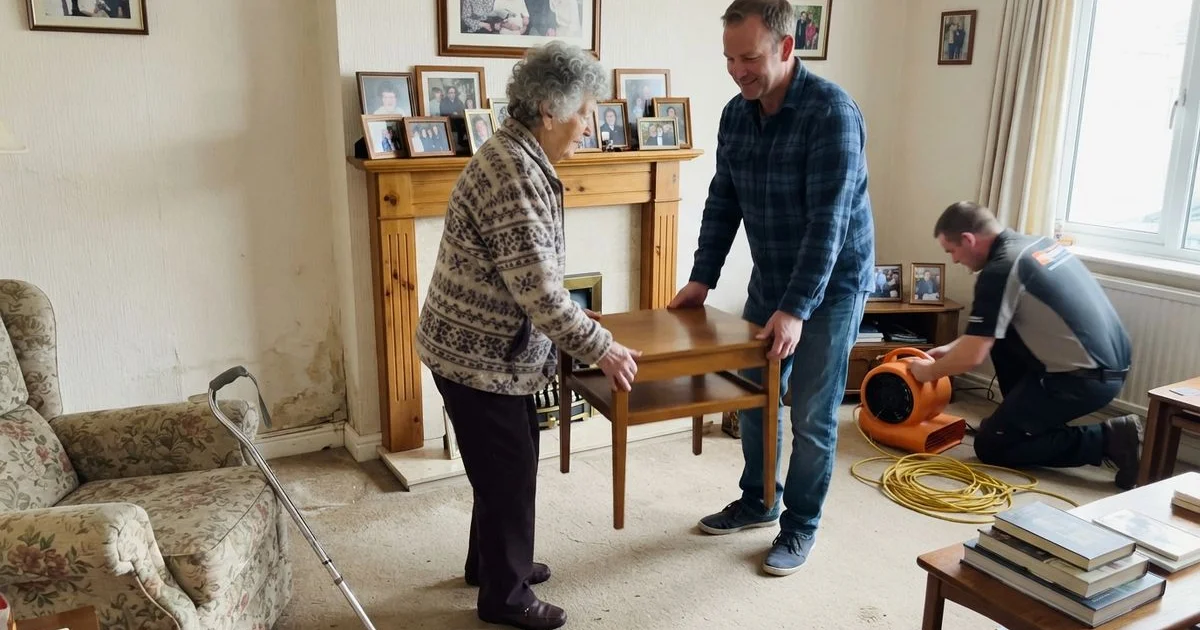
Water damage is stressful for anyone, but it’s often harder to manage for an aging parent, whether because of mobility limitations, cognitive changes, or simply less familiarity with coordinating contractors and insurance. If you’re stepping in to help, a bit of structure makes a real difference.
Start with safety, not paperwork
Before anything else, make sure the immediate situation is safe. If there’s standing water, check for electrical hazards, and if your parent has any mobility limitations, make sure they’re not attempting to cross wet or slippery areas alone. If the house has lost power or heat because of the damage, and especially if it’s winter, consider whether they need to stay somewhere else temporarily while things get sorted out.
Understand what they’re dealing with, together
Sit down with your parent and get a clear picture: what happened, when they noticed it, and what’s been done so far. Older adults sometimes delay calling for help, either from not recognizing the urgency or from concern about cost, so it’s worth asking directly whether they’ve already contacted their insurance company or a restoration company, rather than assuming.
| Task | Why it helps |
|---|---|
| Confirm immediate safety | Prevents injury, additional damage |
| Review insurance policy together | Clarifies coverage before contractors arrive |
| Get quotes in writing | Protects against pressure tactics |
| Attend the first restoration visit if possible | Ensures accurate documentation and questions get asked |
Coordinating with insurance and contractors
If your parent is comfortable with it, offer to review their insurance policy together or sit in on the call with their insurer. Insurance language is dense even for people used to reading it, and having a second person catch details, like whether sewer backup coverage is included, can prevent a costly surprise later. The same goes for restoration quotes: ask for everything in writing, and if something feels rushed or unclear, it’s reasonable to ask the contractor to slow down and explain.
Respecting their independence while staying involved
It’s worth being intentional about this: your role is to support and help coordinate, not necessarily to take over every decision, unless your parent genuinely wants that or isn’t able to manage it themselves. Losing a sense of control in their own home, on top of the disruption of water damage itself, can be its own source of stress for an older adult. Ask what kind of help they actually want before assuming.
Watching for signs of exploitation
Unfortunately, elderly homeowners are sometimes targeted by contractors who sense less scrutiny. Watch for anyone pressuring for an immediate decision or payment, refusing to provide a written estimate, or discouraging your parent from getting a second opinion. If something feels off, it’s reasonable to step in and ask more questions, or to get another quote before anything is signed.
Thinking beyond this one incident
If this is the first time you’ve had to step in on something like this, it’s worth having a broader conversation with your parent about what kind of help they’d want for future home issues, not just this one. Some families set up a standing arrangement where a family member is copied on major repair calls, or where a trusted contractor is identified in advance for exactly this reason. It won’t prevent every future problem, but it means the next one starts from a position of preparation rather than scrambling. If the situation is more serious, like a biohazard cleanup after a death in the family, the support your parent needs looks different too; the biohazard cleanup after a death in the family guide walks through that process with the same care.
Finding help you both trust
If you’re helping your parent choose a restoration company, our home page lists vetted local providers with verified customer feedback, and our ranking method explains how those rankings get built, which can be a useful reference point to review together rather than relying on whoever shows up first.
Helping a parent through water damage recovery is as much about emotional steadiness as it is about logistics. Slowing down, asking questions together, and making sure decisions stay in their hands where possible tends to go a long way.
Common questions
- Should I try to handle everything for my parent, or involve them in decisions?
- Involve them as much as they're able and want to be. Losing control over decisions in their own home can be genuinely upsetting for an older adult, even when help is well-intentioned. Aim to be the coordinator and second set of eyes, not the sole decision-maker, unless circumstances genuinely require otherwise.
- What if my parent doesn't want to leave the house during restoration?
- This comes up often. If the area affected is contained and the rest of the home is livable and safe, staying is sometimes reasonable. If air quality, mold risk, or safety hazards are a concern, it's worth having a direct conversation, possibly with input from their doctor, about why temporary relocation matters.
- Can I make decisions or sign contracts on my parent's behalf?
- Only if you have legal authority to do so, such as power of attorney. Without it, your parent needs to be the one signing contracts and authorizing work, even if you're doing most of the coordination and research.
- How do I know if a contractor is taking advantage of an elderly homeowner?
- Watch for pressure to sign immediately, vague or verbal-only estimates, and reluctance to put anything in writing. These tactics show up more often when a contractor senses less scrutiny, which is exactly why having a family member involved in reviewing quotes helps.