Mold health risks after water damage: what to watch for
By James Silva · Updated 2026-07-13
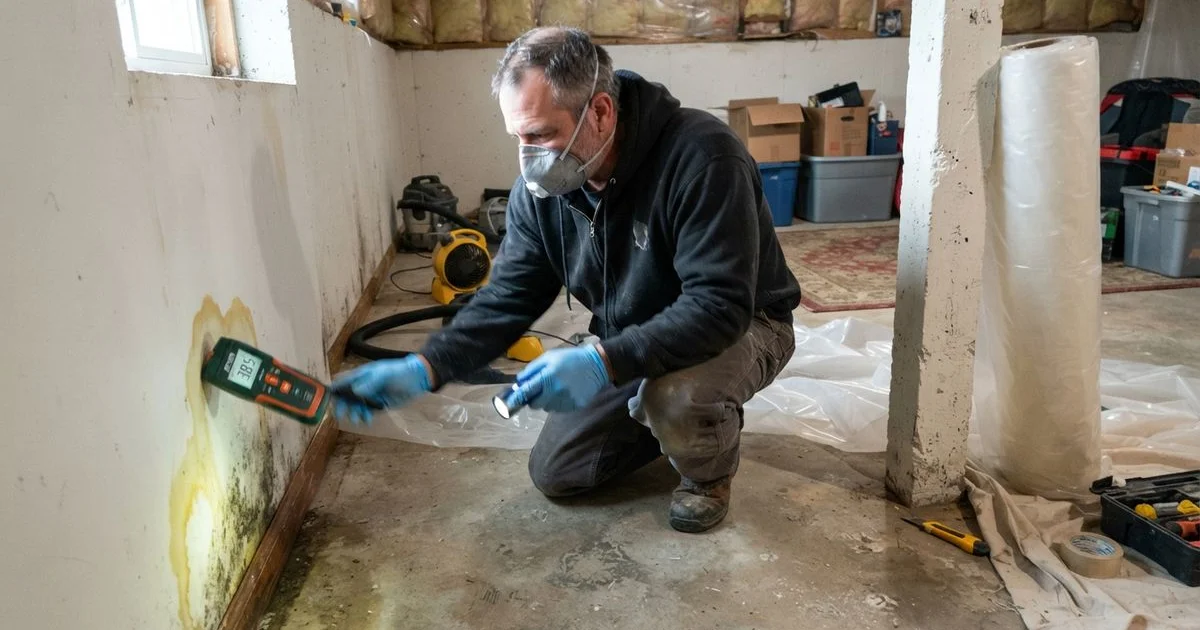
Mold gets a lot of attention as a home damage issue, but the health side of it is what actually drives most homeowners to act. This is general health information, not a medical diagnosis, and anyone with ongoing symptoms should talk to a doctor rather than rely on a guide.
Who’s most at risk
Mold affects people differently, and that variation is real, not exaggeration. Infants and young children, older adults, and anyone with asthma, allergies, or a compromised immune system tend to react more strongly and more quickly. People with no underlying conditions can still develop symptoms with prolonged exposure, especially in a home with mold growing behind walls or under flooring where it goes unnoticed for weeks or months.
Common symptoms tied to mold exposure
The symptoms most often reported alongside indoor mold exposure include:
- Nasal congestion, sneezing, or a runny nose that doesn’t track with a cold
- Coughing, wheezing, or shortness of breath, particularly in people with asthma
- Eye, skin, or throat irritation
- Headaches or fatigue that improve when away from the house
None of these symptoms are unique to mold, which is part of why it’s easy to overlook. The clearest signal is a pattern: symptoms that consistently worsen at home and ease elsewhere.
Why speed matters more than people expect
| Time since water exposure | Typical mold risk |
|---|---|
| Under 24 hours, extracted and dried | Low |
| 24–48 hours, still damp | Moderate, visible growth possible |
| 48+ hours, untreated | High, growth likely established |
Mold doesn’t need much time to establish itself in a warm, damp environment, which is why the first 24 to 48 hours after a leak or flood matter so much. Materials that stay wet longer than that, carpet underlay, drywall, insulation, are far more likely to develop mold that requires professional remediation rather than a simple wipe-down.
When to call a professional versus handle it yourself
A small, visible patch on a hard, non-porous surface, smaller than roughly a square metre, is often manageable with gloves, an N95 mask, and good ventilation. Anything larger, anything with a musty smell but no visible source, or anything affecting a household member with asthma or allergies is worth bringing in a professional for. Mold remediation companies use containment and air scrubbing that a DIY cleanup simply can’t replicate, which matters most when someone in the house is symptomatic. Cost also factors into that decision; the mold remediation cost guide breaks down typical price ranges by scope.
What professional testing actually tells you
Air quality and surface testing can confirm what type of mold is present and roughly how widespread it is, which helps a remediation company scope the job correctly. Testing isn’t strictly necessary to justify getting mold removed, visible growth or a persistent musty smell is often reason enough, but it’s useful when symptoms are present and you want documentation, particularly if you’re dealing with a landlord, a home sale, or an insurance claim.
Mold in HVAC systems: a less obvious risk
Mold doesn’t stay confined to the room where water damage occurred if it makes its way into ductwork. A musty smell that seems to travel through the house whenever the furnace or air conditioner runs is a reasonable sign that mold has reached the HVAC system, which spreads spores to every room the system serves rather than keeping the problem contained. This scenario usually needs a combination of duct cleaning and remediation, and it’s worth mentioning to any technician you call so they check the system, not just the visibly affected room.
Reducing exposure while you wait for help
If you’re waiting on a remediation appointment, a few things reduce exposure in the meantime: keep the affected area closed off from the rest of the house if possible, run a portable air purifier with a HEPA filter in living spaces, and avoid disturbing visible mold, since scrubbing or vacuuming it without containment can spread spores further into the air. Anyone with respiratory symptoms should limit time in the affected area entirely until it’s addressed.
This guide is general information about mold and indoor air quality, not medical advice. If you or a family member has persistent symptoms, especially respiratory ones, see a healthcare provider. For help finding a qualified remediation company, our home page lists vetted local options, and our ranking method explains how listings are evaluated.
Common questions
- How quickly can mold start growing after water damage?
- Mold can begin developing within 24 to 48 hours in a warm, humid environment. That's the main reason fast extraction and drying matter as much for health as for cost.
- Can mold exposure make you sick even if you're not allergic?
- Yes, though reactions vary widely. Some people have no symptoms at all, while others develop coughing, congestion, headaches, or skin irritation from exposure, independent of a diagnosed allergy.
- Do I need a lab test to know if mold is affecting my health?
- Not necessarily to know something is wrong, symptoms that improve when you leave the house and return when you're back are a strong clue on their own. A test is more useful for confirming the type and extent of mold once you've decided to address it.
- Is black mold more dangerous than other types?
- Certain species, often lumped together as black mold in casual use, are associated with more severe reactions in sensitive individuals, but any mold growth indoors is worth addressing rather than waiting to identify the exact species first.