Water damage restoration for first-time homeowners: what to know before you call anyone
By James Silva · Updated 2026-08-10
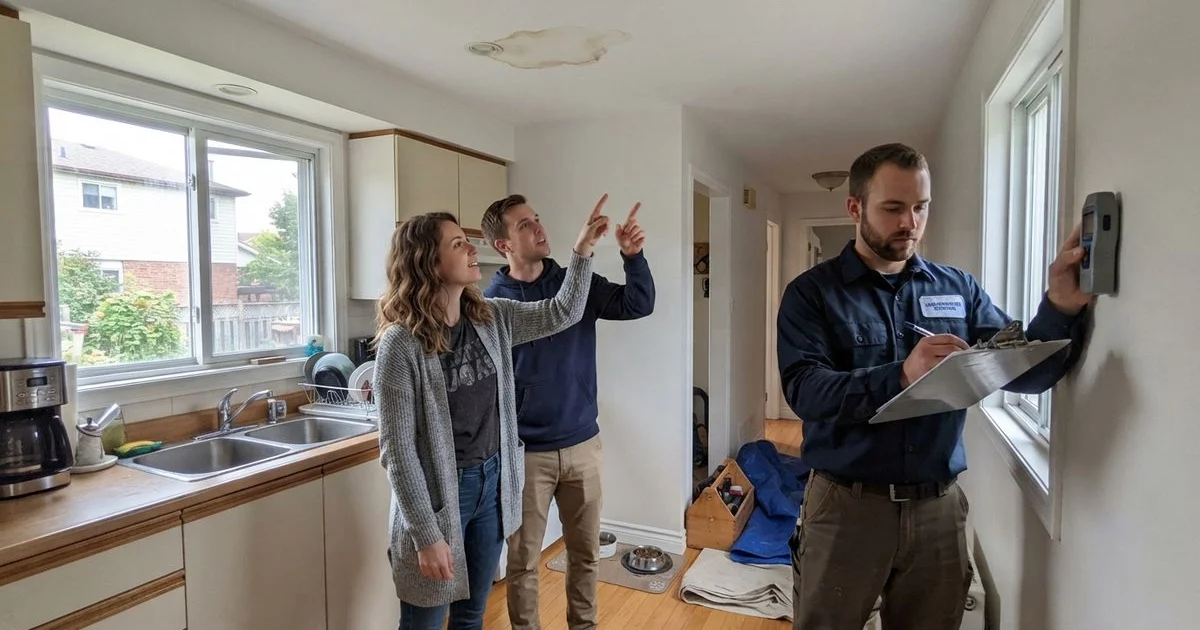
Owning a home for the first time comes with a lot of unfamiliar territory, and water damage is one of the areas where not knowing the basics can turn a manageable problem into a costly one. This guide covers what’s worth knowing before anything happens, and what to do if it does.
Before you buy: what to check
If you’re still house-hunting, a few questions are worth asking directly: how old is the roof, when was the plumbing last updated, and is there a sump pump, and if so, does it have a battery backup for power outages. Ask your realtor or the seller for any known history of water damage or insurance claims tied to the property. A home inspector should also flag visible signs like staining, warped flooring, or musty odors, but asking directly rarely hurts.
Understanding your insurance policy from day one
Many first-time homeowners don’t read their policy closely until they need to file a claim, which is the worst time to discover a gap in coverage. Take twenty minutes early on to understand what’s covered: sudden events like a burst pipe are typically included, but sewer backup and overland flooding often require separate endorsements that aren’t automatic. Confirming this before anything happens is one of the most useful things a new homeowner can do.
| Homeowner task | When to do it |
|---|---|
| Locate your main water shut-off valve | Move-in week |
| Confirm insurance coverage details | First month |
| Check sump pump and backup power | Before storm season |
| Know a restoration company before you need one | Anytime, ideally before an emergency |
Know your home’s basics before you need them
Find your main water shut-off valve now, not during an emergency. It’s typically in the basement or a utility area near where the water line enters the house. Knowing this in advance, and making sure everyone in the household knows it too, can meaningfully limit damage if something goes wrong.
Common mistakes first-time homeowners make
The most common one is waiting. A small leak that gets ignored for a few days because it doesn’t seem urgent often turns into a much bigger, more expensive problem, since water spreads and mold risk increases the longer it goes unaddressed. Another common mistake is assuming insurance covers everything, only to find out during a claim that a specific cause, like a gradual leak, falls under an exclusion. A third is hiring the first company that answers the phone during an emergency without checking reviews or asking for a written scope, simply because the situation feels urgent.
What to do if water damage happens
Contain what you safely can, document the damage with photos before cleanup starts, and call both your insurance provider and a restoration company. Don’t wait to see if it resolves on its own, speed genuinely affects both the final cost and whether mold becomes a secondary issue. If cost is a concern on top of everything else, the free and low-cost flood cleanup help guide covers financing options and where to look for assistance.
A basic maintenance habit worth building
Beyond knowing where the shut-off valve is, walk through your basement and any area near plumbing every few months, especially after a heavy rain or a cold snap. Look for damp spots, discoloration, or a musty smell you didn’t notice before. Catching a slow, small leak during a routine check is far cheaper and less disruptive than discovering it weeks later once it’s spread into flooring or drywall. This kind of habit costs nothing and tends to be one of the more overlooked pieces of advice for a new homeowner.
Building a relationship before you need one
It’s worth spending a few minutes now, well before any emergency, browsing restoration providers in your area so you’re not starting from zero if something happens. Our home page lists vetted local companies with verified customer feedback, and our ranking method explains how those rankings are built, which is a useful reference for a first-time homeowner who doesn’t yet have a contractor they trust.
Owning a home means eventually dealing with something you didn’t expect. Knowing the basics now, your shut-off valve, your policy’s coverage, and a company you’d actually call, turns a stressful surprise into a manageable one.
Common questions
- What should I check for water damage risk before buying a house?
- Ask about the age and condition of the roof, plumbing, and sump pump if there's a basement, and request any past insurance claim history if it's available. A home inspection should also flag visible signs of past water damage, like staining or musty odors.
- Do I need a sump pump if my house doesn't have one?
- It depends on your basement's flood history and your area's drainage patterns. If your home has had any past basement flooding, or your neighbourhood is prone to it, a sump pump with battery backup is a reasonable investment before you need it, not after.
- What's the first thing I should do if I discover water damage as a new homeowner?
- Contain what you can safely, document it with photos, and call your insurance provider and a restoration company. Don't wait to see if it dries out on its own, since delay is the single biggest factor that turns a small issue into an expensive one.
- How do I know if a restoration quote is reasonable for a first-time buyer who's never dealt with this?
- Get more than one quote, and ask each company for a written, itemized scope rather than comparing bottom-line numbers alone. Our directory's ranking method is built specifically to help first-time homeowners compare providers with less guesswork.