Free and low-cost flood cleanup help in Ontario
By James Silva · Updated 2026-08-09
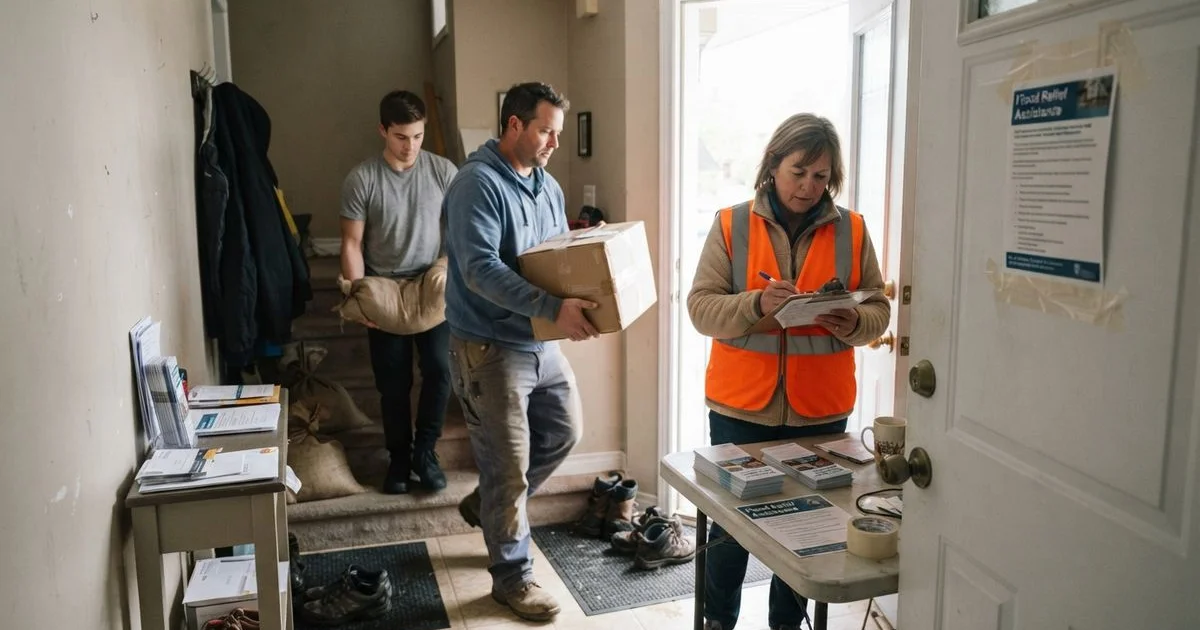
Water damage cleanup can be expensive at exactly the moment finances are already stretched thin, and knowing where to look for help, rather than assuming there’s no option, makes a real difference.
Start with insurance, not a search for grants
For most Ontario homeowners, insurance is the biggest lever available, and it’s often underused simply because people assume they’re not covered or don’t think to check before paying out of pocket. Sudden, accidental water damage, a burst pipe or appliance failure, is commonly covered under a standard home policy, which can mean your actual cost is limited to your deductible rather than the full restoration bill. Call your insurer before assuming you’re on the hook for everything. If this is your first time dealing with a claim like this, the first-time homeowner’s guide to water damage covers the basics of what to expect from start to finish.
Government and community assistance
Large-scale disaster relief programs generally only activate for officially declared, widespread flooding events, not individual household incidents, so they’re not a reliable source of help for most one-off situations. That said, Ontario 211 is a free, confidential service that connects residents with local community resources, including emergency assistance programs that vary by municipality and circumstance. It’s worth a call if you’re not sure what’s available in your specific area.
| Resource | What it offers |
|---|---|
| Home insurance | Often the largest source of financial help for sudden damage |
| Ontario 211 | Free referral to local community and emergency resources |
| Restoration company payment plans | Financing for out-of-pocket costs |
| Municipal emergency programs | Vary by city, sometimes available after major storms |
Payment plans and financing through restoration companies
Many restoration companies offer payment plans, particularly for larger jobs where insurance doesn’t cover the full amount or where a deductible is significant. This is worth asking about directly when getting a quote, since it’s not always advertised upfront. Some companies also work with third-party financing providers for home repair costs, similar to financing offered for other major home expenses.
Reducing cost without cutting corners on safety
If a full restoration job feels financially out of reach, ask the company what’s truly essential versus what could be phased. Extraction and drying to prevent mold are rarely optional, since delaying them tends to increase total cost. Cosmetic repairs, like replacing flooring or repainting, can sometimes be deferred and handled later or by a general contractor at a lower cost than bundling it into the restoration job.
After a municipal or regional flooding event
If flooding in your area was widespread, storm-driven, or tied to a municipal infrastructure failure, check your city’s website or contact your municipality directly, since some Ontario cities have offered targeted assistance or subsidy programs after significant flooding events. These programs vary by municipality and by event, so there’s no single, consistent answer, checking locally is the only reliable way to know what’s available.
Questions worth asking before you commit to anything
Before agreeing to any restoration work, ask directly whether the company bills insurance on your behalf or expects payment upfront with reimbursement to follow, since this affects your immediate cash flow either way. Ask whether a payment plan is available and what the terms look like, including any interest. And if cost is a genuine barrier, ask whether the scope can be phased, addressing extraction and drying now, which matters most for preventing mold, while deferring cosmetic repairs like flooring or paint until you’re in a better position financially.
Getting a fair price to begin with
Even without financial assistance, getting quotes from more than one restoration company and asking each for a detailed, written scope helps ensure you’re not overpaying for the work you actually need. Our home page lists vetted local providers with verified customer feedback, and our ranking method explains how those rankings are built.
Financial stress on top of a flooded home is a hard combination, but insurance, community resources, and a willingness to ask restoration companies directly about payment options cover more ground than most people expect going in.
Common questions
- Is there a government program that pays for flood cleanup in Ontario?
- Disaster relief assistance is typically only activated for large-scale, officially declared flooding events affecting a broad area, not individual household incidents. For most homeowners, insurance is the primary source of financial help, which is why confirming your coverage matters more than searching for a general grant.
- What should I do first if I can't afford a full restoration job?
- Call your insurance provider before anything else, since sudden water damage is often at least partially covered, and your out-of-pocket cost may come down to your deductible rather than the full job. Ask restoration companies about payment plans as a next step if insurance doesn't cover the full amount.
- Do restoration companies ever offer payment plans?
- Many do, particularly for larger jobs, and it's a reasonable thing to ask about directly when getting a quote. Financing terms vary by company, so ask specifically rather than assuming one way or the other.
- Where can I find general emergency assistance information in Ontario?
- Ontario 211 is a free, confidential referral service that connects residents with local community and government resources, including emergency assistance programs, and is a reasonable starting point if you're not sure where else to look.