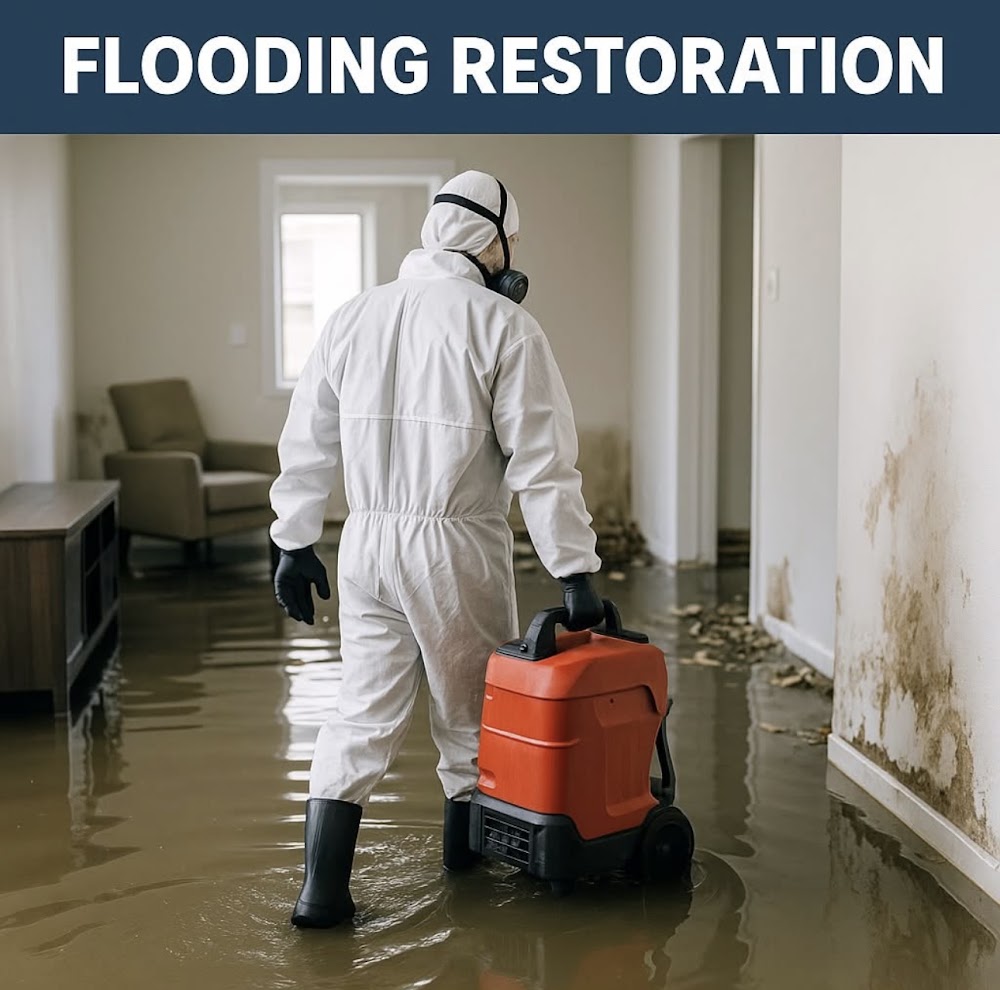
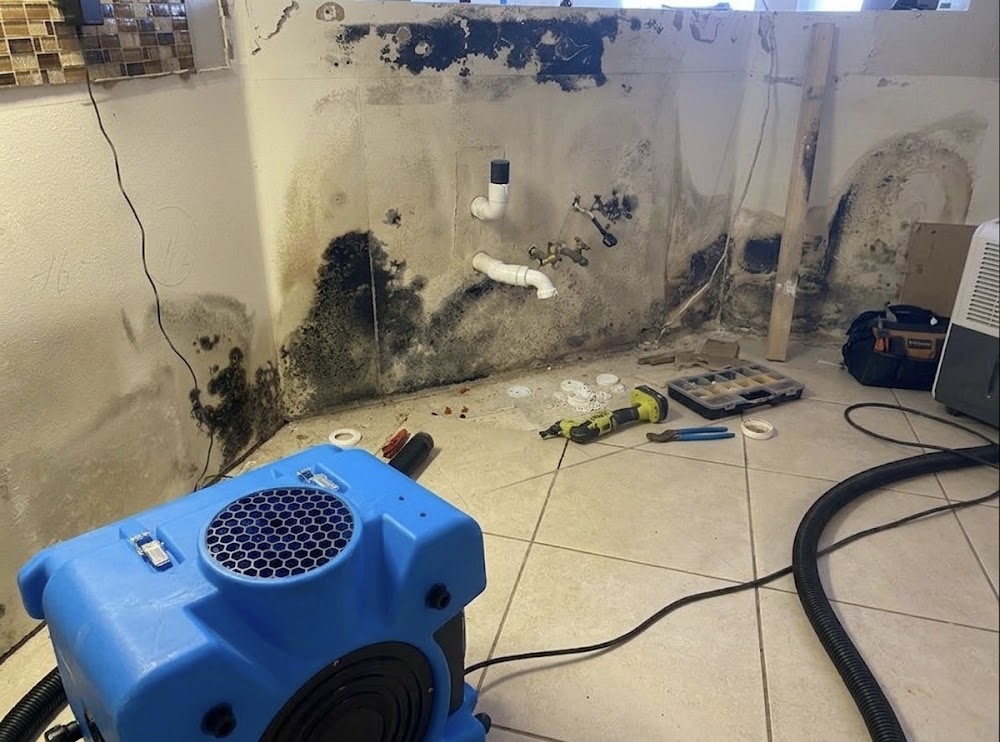
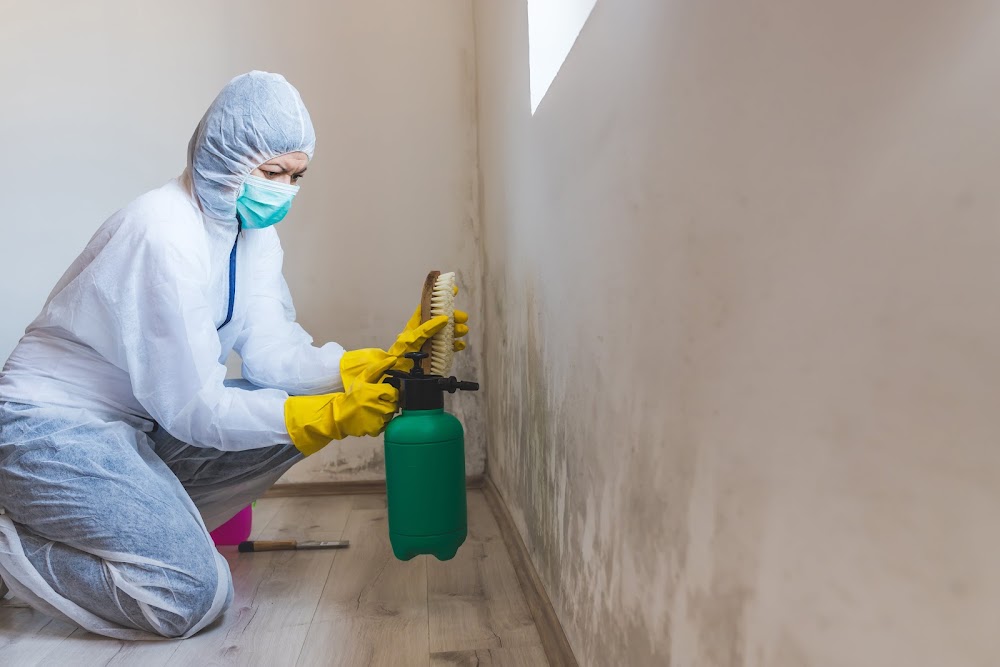
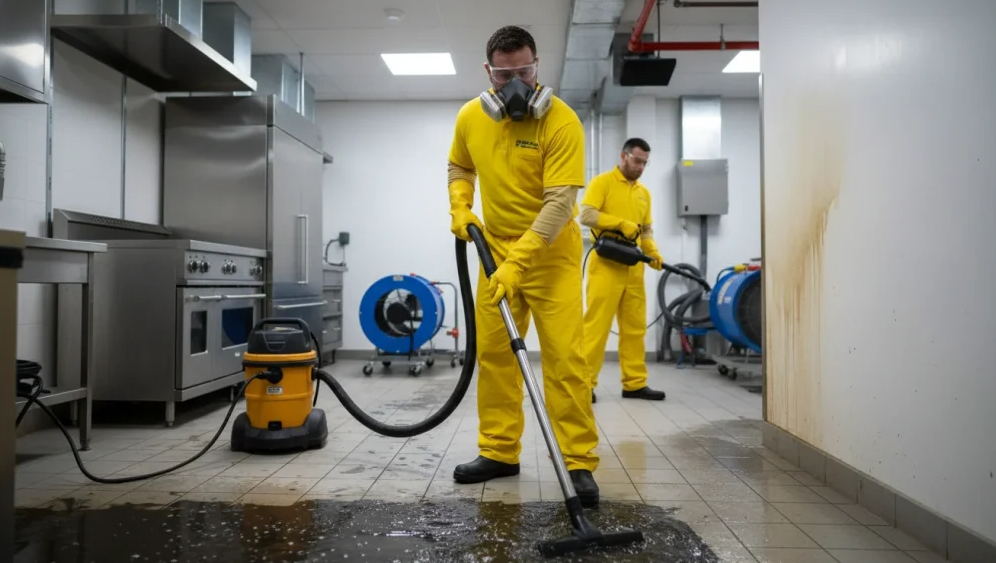
Structural drying is the phase of water damage restoration that happens after standing water is removed. It's the work of pulling moisture out of the materials you can't just mop up: subfloors, drywall, insulation, wood framing, and concrete slabs. Left wet, these materials warp, delaminate, or grow mold within 24 to 72 hours. Done right, drying stops that clock and often saves you from a full teardown and rebuild.
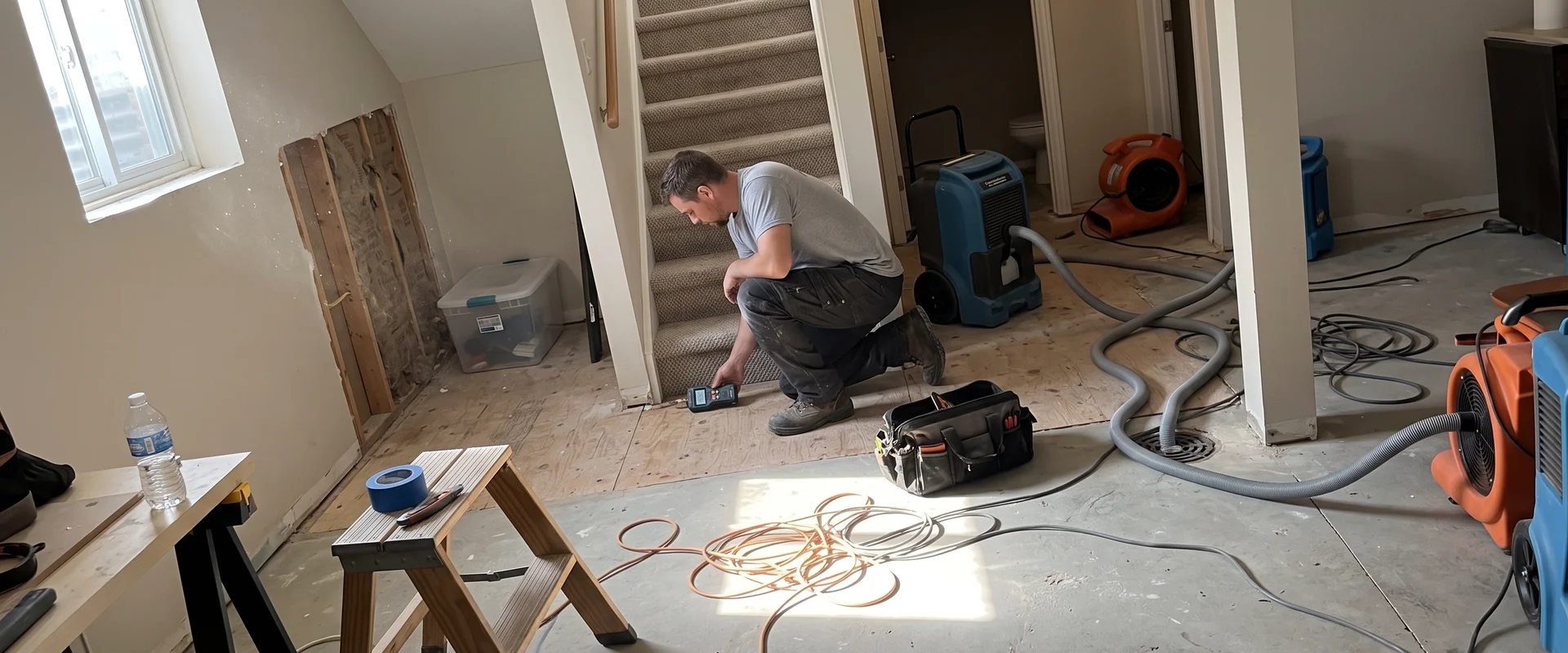
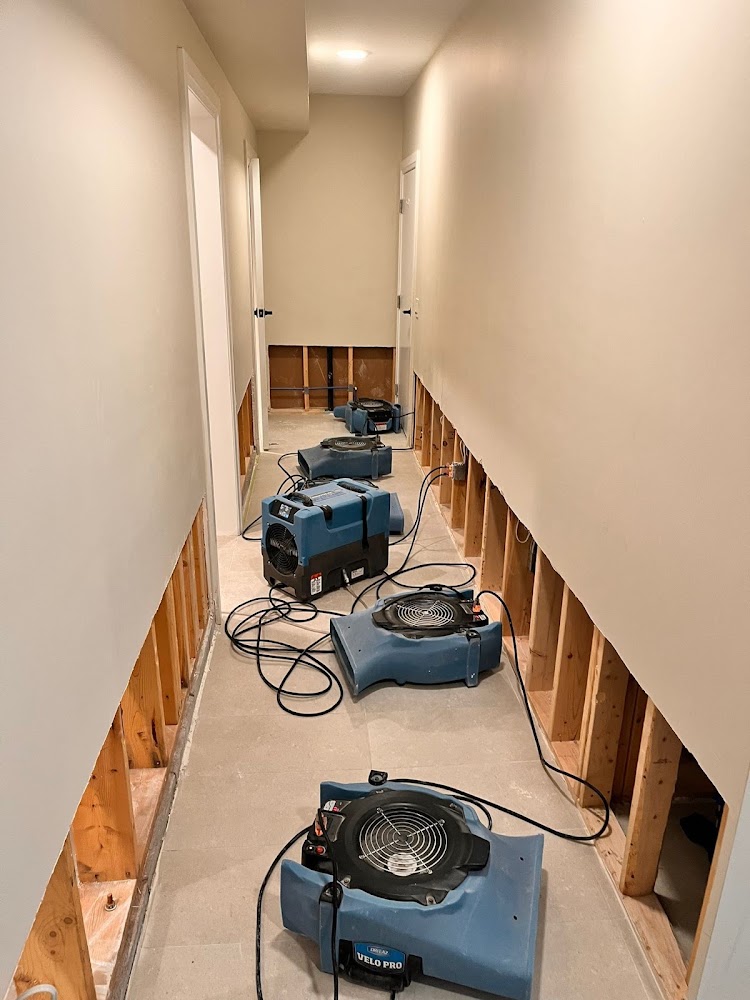
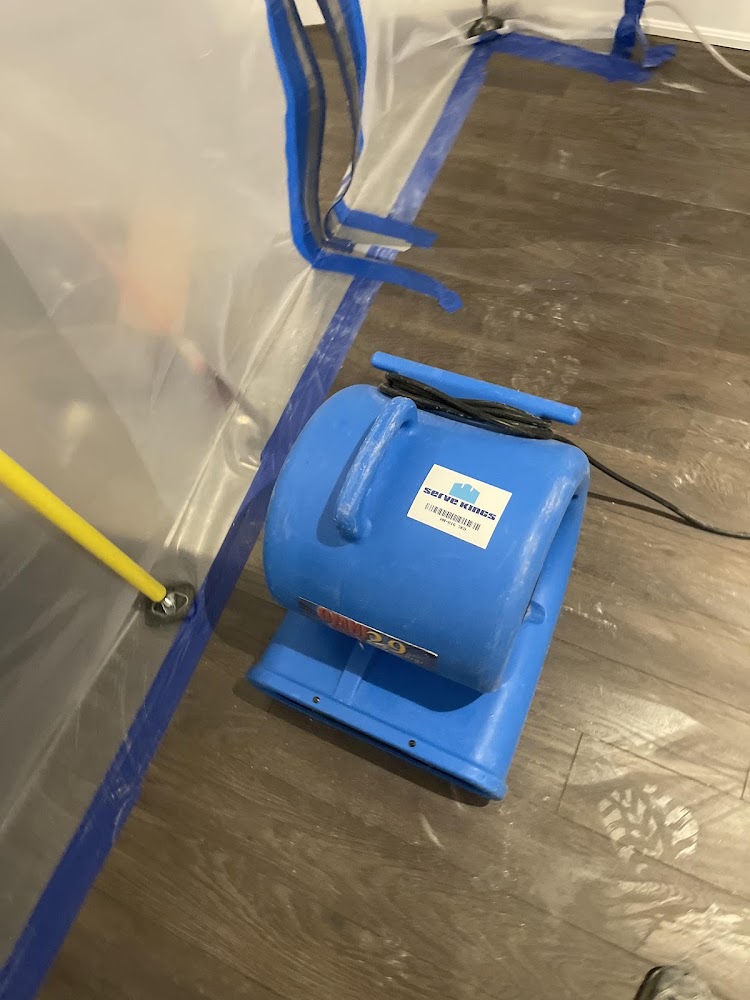
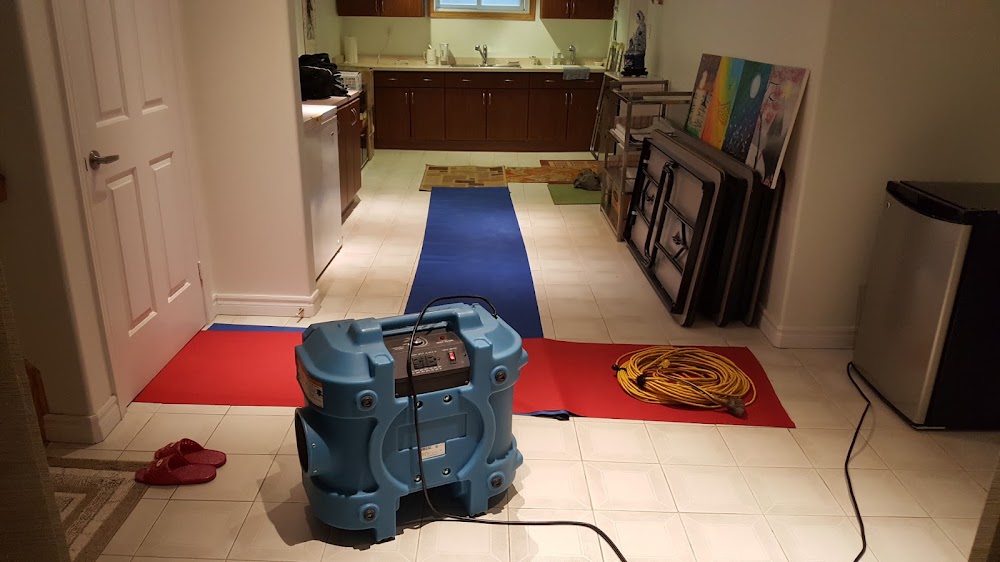
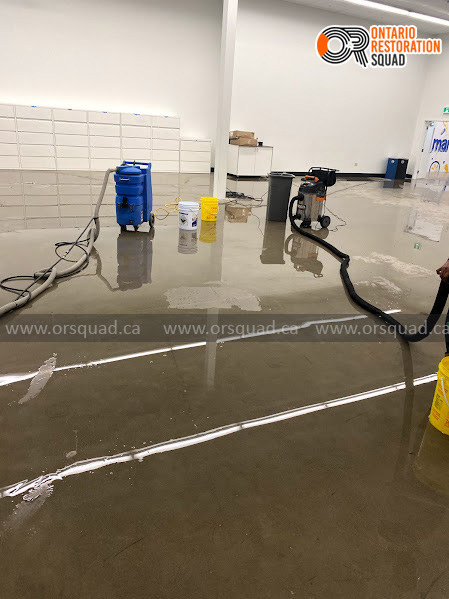
The process itself relies on a few pieces of equipment used together: high-velocity air movers to push moisture out of surfaces, low-grain refrigerant (LGR) or desiccant dehumidifiers to pull that moisture out of the air, and sometimes injection systems for drying inside wall cavities without removing drywall. A technician should also be using a moisture meter or thermal imaging to track progress daily, not just running fans and hoping.
When you're comparing companies in this category, look for documented moisture readings (before, during, and after drying), IICRC-certified technicians, and a clear explanation of drying time before work starts. Crews that skip documentation are harder to hold accountable if a mold problem shows up later.
We rank all 19 Mississauga providers in this category on our best water damage restoration services guide, based on the criteria explained in our methodology.