How long structural drying takes and what affects the timeline
By James Silva · Updated 2026-08-04
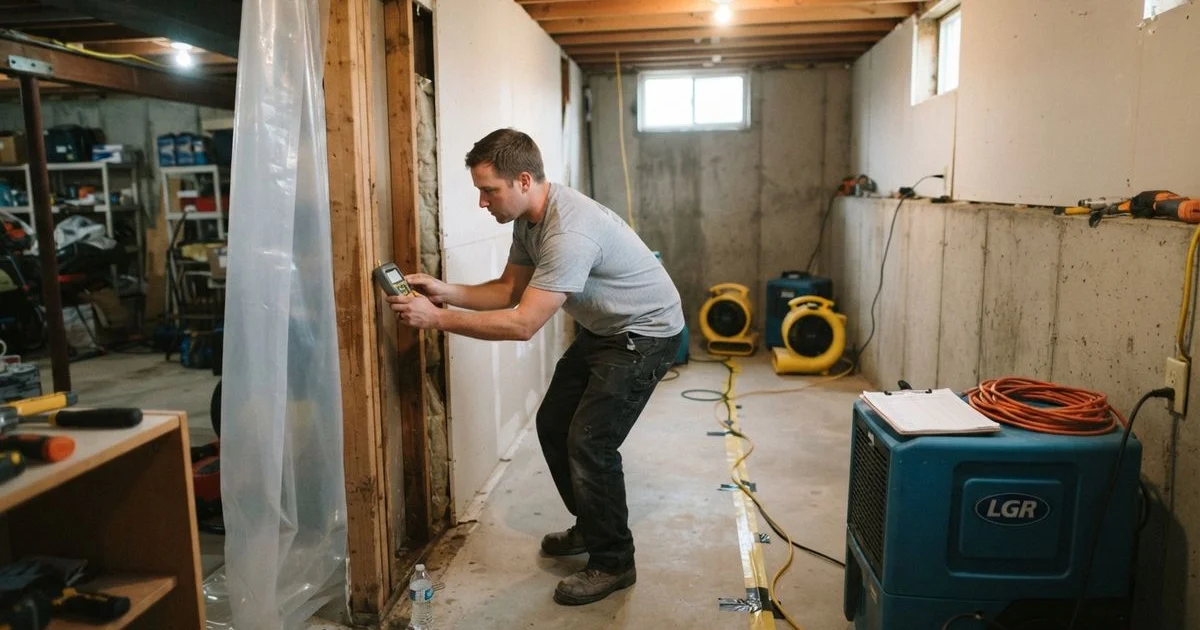
Structural drying is the step in water damage restoration that takes the longest and is the hardest to rush, which frustrates a lot of homeowners who just want their space back. Understanding what actually controls the timeline makes it easier to know whether a job is progressing normally or falling behind.
The typical range
A single room with clean water, hard flooring, and prompt professional response often dries within three to five days. That range shifts significantly based on a handful of factors, and it’s common for jobs to run longer, sometimes a week or more, without anything having gone wrong.
| Factor | Effect on timeline |
|---|---|
| Water category (clean vs. contaminated) | Contaminated water often needs longer, plus sanitizing steps |
| Flooring and material type | Hardwood and carpet dry slower than tile or vinyl |
| Size of affected area | Larger areas need more equipment and monitoring time |
| Ambient humidity | High humidity slows evaporation across the board |
| How quickly extraction started | Delayed response often means deeper moisture penetration |
What controls the timeline, in order of impact
How deep the moisture penetrated before extraction started. Water that sat for a day before anyone addressed it has typically soaked further into materials than water extracted within an hour, which directly extends drying time regardless of what equipment gets used afterward. That first extraction visit sets the tone for everything that follows; the water damage restoration process guide walks through what happens at each stage.
Material type. Hard, non-porous surfaces like tile release moisture quickly. Hardwood flooring is notoriously slow and sometimes can’t be fully saved, since wood needs a controlled, gradual drying process to avoid warping or cupping. Carpet and its underlay, if kept rather than removed, also extend timelines meaningfully.
Humidity and ventilation. Ambient humidity in the house affects how fast water can evaporate from wet materials in the first place. This is why dehumidifiers run alongside air movers, not instead of them, pulling moisture out of the air keeps the whole drying process moving rather than stalling once the air itself gets saturated.
Equipment placement and ratio. Air movers need to be positioned to create airflow across wet surfaces, not just blow air randomly around a room, and the ratio of air movers to dehumidifiers matters. A rough industry guideline is one dehumidifier for every three to four air movers, though the exact number depends on room size and how wet the materials are.
How to tell if a job is on track
Ask for moisture readings at each visit, not just a verbal update. A properly managed drying job shows a clear downward trend in moisture levels day over day. If readings have plateaued for several days without explanation, that’s worth asking about directly, it could mean equipment needs repositioning, or it could mean there’s moisture in a spot that hasn’t been checked yet.
When drying takes longer than expected
Longer timelines aren’t automatically a red flag. Larger jobs, contaminated water, or an older home with less predictable construction can all reasonably extend a drying job past a week. What matters is whether the company can explain why, with actual data, versus just saying the equipment needs more time without evidence.
Getting the timeline right from the start
The fastest way to keep structural drying on the shorter end of the range is getting extraction started quickly, since delayed response is the single biggest factor that pushes timelines longer. If you’re comparing structural drying and dehumidification providers, ask how they monitor and document progress, since that’s the clearest signal of a company that manages the process carefully rather than just leaving equipment running and hoping for the best. Our home page lists vetted local providers, and our ranking method explains how those rankings are built.
Structural drying isn’t a process you can meaningfully rush by throwing more equipment at it. Fast initial response, the right equipment ratio, and daily monitoring are what actually keep a job on schedule.
Common questions
- What's a typical drying timeline for a flooded room?
- Three to five days is common for a single room with clean water and hard flooring, monitored daily. Larger areas, contaminated water, or absorbent materials like hardwood can extend that to a week or more.
- How do I know when drying is actually finished?
- Moisture readings in the affected materials need to match the dry standard for that material type, confirmed with a moisture meter, not a visual or touch check. A written clearance report with before-and-after readings is the clearest evidence a job is genuinely done.
- Can I speed up drying by adding more fans myself?
- Extra airflow can help in some cases, but placement and equipment ratio matter more than raw fan count. Professional-grade air movers and dehumidifiers are calibrated to work together, and adding random fans without also managing humidity can sometimes do more harm than good.
- Why does humidity in the house affect drying time even in unaffected rooms?
- Moisture in the air doesn't stay contained to one room. High ambient humidity slows evaporation everywhere, which is why dehumidifiers, not just air movers, are essential, they pull moisture out of the air so evaporating water actually has somewhere to go.