DIY water cleanup vs hiring a professional: when each makes sense
By James Silva · Updated 2026-07-27
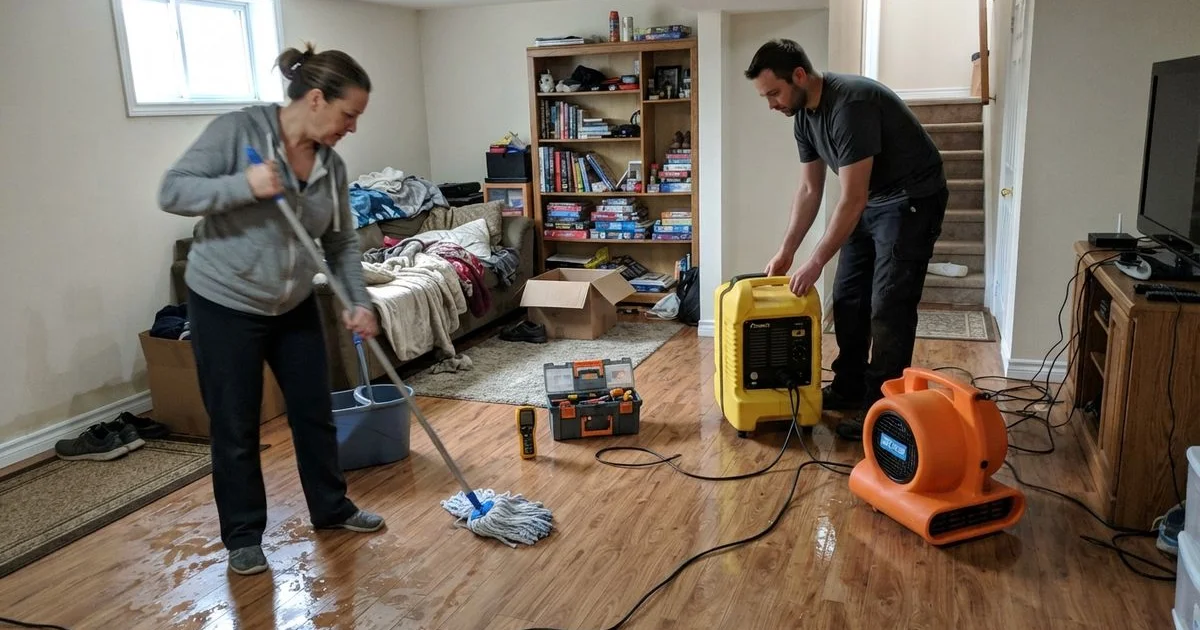
Not every water leak needs a professional crew, but knowing where the line actually falls saves both money and, more importantly, prevents small problems from turning into mold issues down the road.
When DIY is reasonable
A small, clean-water spill, caught quickly, on hard flooring, with no porous materials soaked through, is genuinely manageable on your own. Think a dishwasher that overflowed while you were in the next room, or a small supply line drip caught within an hour. In these cases, extracting the visible water, running fans and a dehumidifier for a day or two, and keeping an eye on the area afterward is usually enough.
When you need a professional
The math changes quickly once any of these apply: the water sat for more than a few hours before you caught it, it’s covered a larger area, it’s touched carpet, drywall, or insulation, or it came from a contaminated source like a sewer backup or flood water. In any of these situations, a professional moisture check isn’t optional caution, it’s the only reliable way to know whether water has spread into materials where it can’t be seen. Once you call one, the visit follows a fairly predictable sequence; see the water damage restoration process guide for what a crew actually does step by step.
| Situation | DIY reasonable? |
|---|---|
| Small, clean water, caught within an hour, hard flooring | Yes |
| Water sat overnight or longer | No |
| Carpet, drywall, or insulation affected | No |
| Grey or black water source | No |
| Basement flooding of any real depth | No |
What DIY cleanup can’t replicate
A moisture meter is the single biggest gap between DIY and professional cleanup. Water often travels further than the visible wet area, up inside wall cavities, under flooring, along framing, and there’s no reliable way to check for that without the right equipment. This matters because trapped moisture that goes unnoticed is exactly what turns into mold weeks later, often in places that require opening up a wall to fix.
Professional-grade air movers and dehumidifiers also move significantly more air and moisture than consumer equipment, which is why a job that a homeowner might expect to dry in a few days with box fans can take much longer, or not fully dry at all, without the right setup.
A reasonable middle ground
For a moderate spill that’s more than a quick wipe-down but doesn’t feel like a full emergency, it’s worth calling a restoration company for a quick assessment, even if you end up doing some of the cleanup yourself. Many companies will do a walkthrough and moisture check without committing you to a full-service job, which gives you the information to decide confidently either way.
How this decision can affect an insurance claim
If you’re planning to file an insurance claim, that’s another reason to lean toward a professional assessment even for a moderate leak. Insurers often want documented moisture readings and a clear timeline of when the damage occurred and how it was addressed, and a DIY cleanup with no formal documentation can make a claim harder to support later. A professional company’s written scope and photos double as the paper trail your insurer will likely ask for.
The real cost of guessing wrong
The financial risk of DIY isn’t really about the immediate cleanup, it’s about what happens if moisture gets missed. A wall that looks dry but has moisture trapped behind it can develop mold within a couple of weeks, turning a cleanup that would have cost a few hundred dollars into a remediation job costing several times that. If there’s any doubt about whether water reached further than what’s visible, that uncertainty alone is a good reason to get a professional opinion.
Making the call
Ask yourself three questions: how long did the water sit before I caught it, what materials did it touch, and am I confident I can verify there’s no hidden moisture. If you can’t answer all three with confidence, a quick professional assessment is worth the cost, even if it turns out you could have handled it yourself. Our home page lists vetted local providers if you decide you need one, and our ranking method explains how those listings are evaluated.
There’s no shame in handling a small spill yourself, and no need to call a crew for every minor leak. The skill is being honest about which category your situation actually falls into.
Common questions
- What size of leak is reasonable to clean up myself?
- A small, contained clean-water spill, think a dishwasher overflow covering a few square metres on hard flooring, caught within an hour or two, is usually manageable with towels, a wet vac, and fans. Anything larger, or that sat for longer than a few hours, is worth a professional assessment.
- Can I rent the same drying equipment restoration companies use?
- Some equipment rental companies offer air movers and dehumidifiers, but professional-grade units move far more air and moisture than consumer options, and knowing where to place them for effective drying takes some experience. Rental equipment can help for a small job but isn't a full substitute for a professional assessment on anything significant.
- How do I know if water has spread further than I can see?
- You generally can't tell without a moisture meter, which is exactly why professional assessment matters even for water damage that looks minor on the surface. Water travels along the path of least resistance, often further than the visible wet area suggests.
- What happens if I clean up myself and miss hidden moisture?
- Trapped moisture behind walls or under flooring is one of the most common causes of mold that shows up weeks later. It's the single biggest risk of a DIY approach, and the main reason professional moisture checks exist.